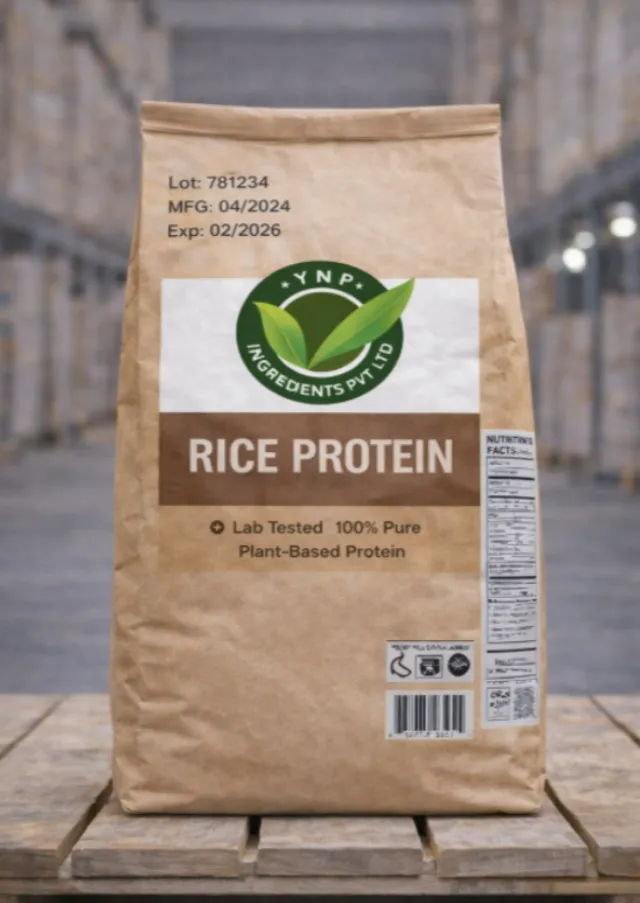
Plant-based protein continues to reshape the food and nutritional supplement industry as consumers seek cleaner labels, vegan-friendly products, and sustainable nutrition. Two ingredients that frequently appear in product formulations are Rice Protein and Pea Protein Powder. While both are excellent plant-derived proteins, each offers distinct advantages depending on the application.
For manufacturers developing functional foods, protein beverages, or nutritional supplements, understanding these differences helps create products that meet both performance expectations and consumer preferences.
Understanding Rice Protein
Rice Protein is typically extracted from brown rice through enzymatic processing. It delivers a good amino acid profile, smooth texture, and mild flavor that works well in various food applications.
Manufacturers commonly use Rice Protein in:
- Vegan protein powders
- Meal replacement products
- Dairy alternatives
- Functional beverages
- Nutrition bars
- Gluten-free foods
Its hypoallergenic nature makes it suitable for products targeting consumers with common food sensitivities.
Understanding Pea Protein
Pea Protein Powder is derived from yellow peas and is known for its high protein concentration and excellent functionality.
It is frequently incorporated into:
- Sports nutrition products
- High-protein beverages
- Plant-based meat alternatives
- Protein snacks
- Bakery products
- Clinical nutrition formulas
Its strong emulsification properties and balanced amino acid profile make it a versatile ingredient.
Comparing Rice Protein and Pea Protein
Although both proteins serve similar markets, their characteristics differ.
Rice Protein offers:
- Mild taste
- Smooth mouthfeel
- Easy digestibility
- Good compatibility with gluten-free formulations
Pea Protein provides:
- Higher lysine content
- Strong emulsification
- Excellent texture improvement
- Greater functionality in meat alternatives
Many manufacturers combine both proteins to create a more complete amino acid profile while improving product texture and flavor.
Choosing the Right Protein
The best choice depends on several factors:
- Target consumer group
- Product category
- Desired nutritional profile
- Processing requirements
- Flavor expectations
- Label claims
Selecting the appropriate ingredient early in formulation helps reduce production challenges later.
Why Ingredient Consistency Matters
Protein ingredients influence product stability, taste, nutritional values, and shelf life. Working with experienced ingredient manufacturers helps maintain consistency across every production batch.
YNP Ingredients Pvt Ltd supplies high-quality nutritional ingredients that support manufacturers developing innovative food and sports nutrition products for domestic and export markets.
Growing Demand Across India
The plant-based nutrition sector continues expanding throughout Maharashtra and across India as more consumers adopt healthier lifestyles. Manufacturers investing in premium plant proteins are well positioned to meet increasing demand while introducing products that align with evolving dietary preferences.
Keywords