A quoted rupee-per-kilogram figure is not enough to compare whey powder for a bakery: protein grade, lactose, pack size, GST, freight, shelf life and delivery terms can change the real cost. By the end, you will have a specification, costing method, trial plan and Delhi supplier checklist that lets you compare offers on an equal basis.
Key takeaways
- Request sweet or acid whey, protein percentage, form, origin, and shelf life in every quote.
- Match whey specification to bread, biscuits, cakes, or confectionery before comparing price.
- Calculate cost per finished product after dosage, water adjustment, and baking-trial waste.
- Check batch documents, storage conditions, seals, and remaining shelf life before accepting delivery.
What a Delhi whey powder quotation must include before you compare prices
A “whey powder” label is not an actionable buying specification. Sweet or acid whey, protein percentage, standard or instantized form, origin and remaining shelf life can change both performance and price. Request three quotations on identical terms.
- Ask every supplier to state whey type, protein percentage, standard or instantized form, country of origin, pack size, minimum order quantity, ₹/kg, GST treatment, freight, delivery point, payment terms, quote validity and remaining shelf life.
| Delivery basis | What the price means | Risk to compare |
|---|---|---|
| Ex-warehouse Delhi | You collect cleared stock from Delhi | Add freight, loading and GST as quoted |
| Delivered Delhi | Supplier delivers to your named location | Confirm freight, unloading and delivery date |
| Future import | Price depends on an incoming shipment | Check exchange-rate, port-clearance, documentation and delivery risks |
Illustration only: a 25 kg industrial bag at ₹180/kg costs ₹4,500. Add ₹250 freight and ₹225 GST to reach ₹4,975, or ₹199/kg landed. A marketplace pack priced at ₹600 for 2 kg costs ₹300/kg before delivery; it cannot benchmark a 20–25 kg bag because packaging and order economics differ.
For the whey powder price for bakery manufacturers in Delhi, also calculate cost per finished kilogram: total whey cost divided by saleable output. Track cost per batch when dosage, freight or rejected material changes.
Which whey specification fits bread, biscuits, cakes and confectionery
Request standard sweet whey powder for most bread, biscuits, cakes and wafers when you want mild milk flavour, lactose-driven browning and added dairy solids. Acid whey has higher acidity and mineral or ash content, so it suits formulations that can tolerate tang, stronger mineral notes or different dough behaviour.
| Option | Best fit | Main effect |
|---|---|---|
| Sweet whey | Bread, biscuits, cakes, wafers | Mild milk flavour, lactose, browning and solids |
| Acid whey | Selected fillings, caramel or acidic systems | More acidity and ash; can alter flavour and texture |
| WPC34/WPC80 | Protein-enriched cakes, fillings or confectionery | More protein and water binding than commodity whey |
| WPI90+ | High-protein, low-lactose formulations | High protein; not a kilogram-for-kilogram whey replacement |
For compound chocolate, caramel and confectionery coatings, choose based on the required milk flavour, body, browning, emulsification or protein claim. Excess lactose can darken biscuits or baked fillings and create a cooked-milk taste.
Ask for this specification:
- Protein, lactose, moisture, fat, ash, pH or titratable acidity, solubility, particle size and bulk density
- Microbiological limits, batch number, manufacture date, expiry date and country of origin
Ordinary commodity whey powder is mainly a lactose-rich milk-solids ingredient, not WPC80 or WPI90+. Replacing another ingredient kilogram for kilogram changes water absorption, texture and protein claims. Use skimmed milk powder or milk solids when you need stronger dairy solids; replace part of the flour only after a controlled trial.
Do not use whey powder for vegan or dairy-free products, lactose-free claims, or high-protein, low-lactose formulations.
How dosage, water adjustment and baking trials change the real cost
A practical starting trial for commodity whey powder is 1%, 2% and 3% on flour weight. Calculate baker’s percentage as: whey powder weight ÷ flour weight × 100. Do not approve a dose from a supplier’s price sheet alone.
1. Keep flour, sugar, fat, water, batch size, bake temperature and bake time unchanged. Replace the current milk-solids ingredient with whey at each level, then record dough stiffness, spread, mixing time, solubility and clumping.
2. Add whey with the dry ingredients so it disperses before hydration. Reserve 2–5% of the formula water when the trial shows a stiffer dough; add it gradually during mixing rather than changing the entire water level at once.
3. Compare crust colour, browning, sweetness, cooked-milk flavour, tenderness, bake loss, hygroscopicity and storage stability. Excess lactose can darken biscuits or baked fillings, intensify flavour and shorten the window before a product becomes sticky.
4. Cost the approved dose against saleable output. For example, a 100 kg flour batch using 2 kg at ₹140/kg adds ₹280 per batch. If screening and a rejected portion add ₹50, and saleable output is 95 kg, the whey-related cost is ₹330, or ₹3.47 per finished kilogram.
5. At 3% inclusion, the same source costs ₹420; with ₹80 for screening and rejection and 94 kg saleable output, the cost becomes ₹500 per batch, or ₹5.32 per kilogram. A lower ₹/kg offer is not cheaper if dosage, rework or rejected product rises.
Which documents and handling controls protect the quoted value
A low quote is comparable only when the offered lot matches your approved specification. Request a current, lot-specific certificate of analysis (COA), not a generic brochure, and check protein, moisture, lactose, ash, pH, bulk density and microbiological results against stated limits.
| Document or control | What to verify | Why it protects value |
|---|---|---|
| Specification sheet | Sweet or acid whey, protein, physical and microbiological limits | Confirms the quoted grade |
| Lot-specific COA | Batch number, test results and laboratory date | Links results to delivered bags |
| Identity records | Manufacturing date, expiry date, country of origin, importer and lot records | Supports traceability and import checks |
| Declarations | Milk allergen, non-GMO where required, halal or kosher where required | Supports customer and label requirements |
- Ask for intact-bag photographs or a sample, the exact batch number, remaining shelf life and the importer’s FSSAI licence and import-clearance records for imported stock.
- Treat milk as a regulated allergen in India. Mark receiving and storage locations, schedule dairy production deliberately, validate cleaning between allergen and non-allergen runs, and declare milk in finished-pack labelling where required.
At receiving, inspect outer bags, inner liners, stitching or heat seals, pallets and evidence of water, pests or torn packaging. Reject or quarantine leaking, contaminated or hardened bags; caked powder can increase screening, dosing and rejection costs.
Store sealed bags in a cool, dry, humidity-controlled area away from odorous or allergenic materials. Use first-expiry-first-out, then agree in writing on the reseal method and permitted usage period after opening. A supplier’s document must state the lot, not merely the product name.
How to buy whey powder in Delhi without comparing unlike supplier offers
Ask for three quotations on the same basis before you buy whey powder in Delhi. A whey powder supplier for confectionery should quote the offered lot, not merely a product name.
- Request the exact product grade and HSN, whey type, protein percentage, standard or instantized status, country of origin, pack size, MOQ, physical stock location, remaining shelf life, sample availability and lead time.
- Require the supplier to state batch consistency, repeat-order availability, replacement policy, delivery area, payment terms, GST treatment, freight, quote validity and whether the price is ex-warehouse Delhi or delivered to your premises.
- Ask whether the stock is already cleared into India or tied to a future import. For cleared stock, request the importer’s FSSAI licence, import documentation, lot records and a lot-specific COA matching protein, moisture, lactose, ash, pH and microbiological results.
- Ask how hardened, damaged or non-conforming bags are reported, photographed, collected and replaced, including the deadline and freight responsibility.
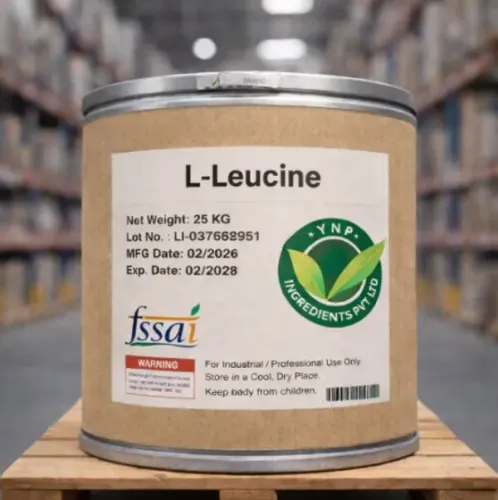
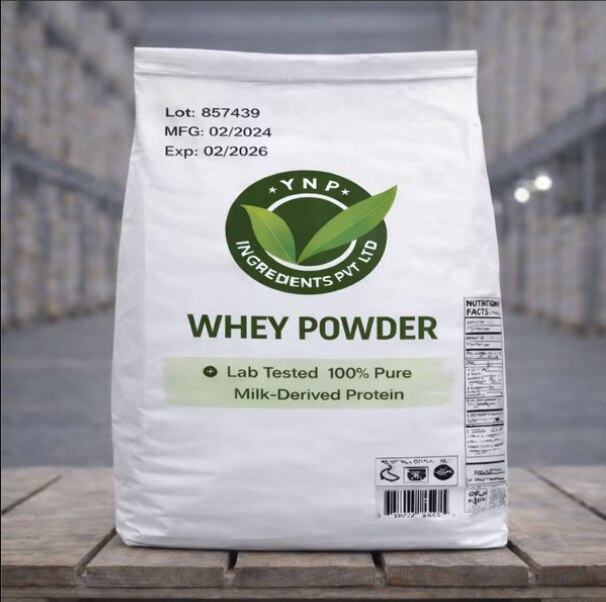
You can put these questions to YNP Ingredients Pvt Ltd, but a Delhi address does not prove stock, price or suitability; verify each answer against documents and the sample.
Approve a source only after reviewing the paperwork, running a controlled bakery trial and agreeing the delivered cost, shelf life and replacement terms in writing. Then repeat the order only if the next batch matches the approved specification and performs the same way in production.
Related product
 | Bakery & Confectionary Whey powder is a high-quality dairy-derived ingredient obtained during cheese processing and widely used in bakery and confectionery food ingredients... View product → |
Frequently asked questions
What must a Delhi whey powder quotation include?
Ask each supplier to state sweet or acid whey, protein percentage, standard or instantized form, origin, pack size, batch details, remaining shelf life, delivery terms, taxes, and payment terms.
Which whey powder specification suits bakery products?
Choose the specification after testing the product: bread may need different solubility and dosage from biscuits, cakes, or confectionery. Compare protein level, flavour, solubility, and heat performance rather than price alone.
How do dosage and water adjustment affect whey powder cost?
Calculate the ingredient cost at the actual dosage, then account for water reduction or adjustment, mixing changes, and product lost during baking trials. The lowest price per kilogram is not always the lowest cost per finished batch.
Which documents should you check before buying whey powder in Delhi?
Request the specification sheet, certificate of analysis, batch number, manufacturing and expiry dates, country-of-origin details, food-safety documents, and storage instructions. Check the delivered bag against those records.
Keywords