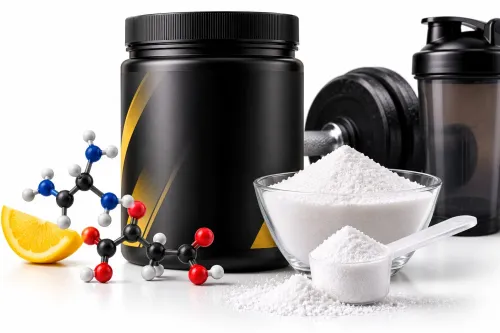
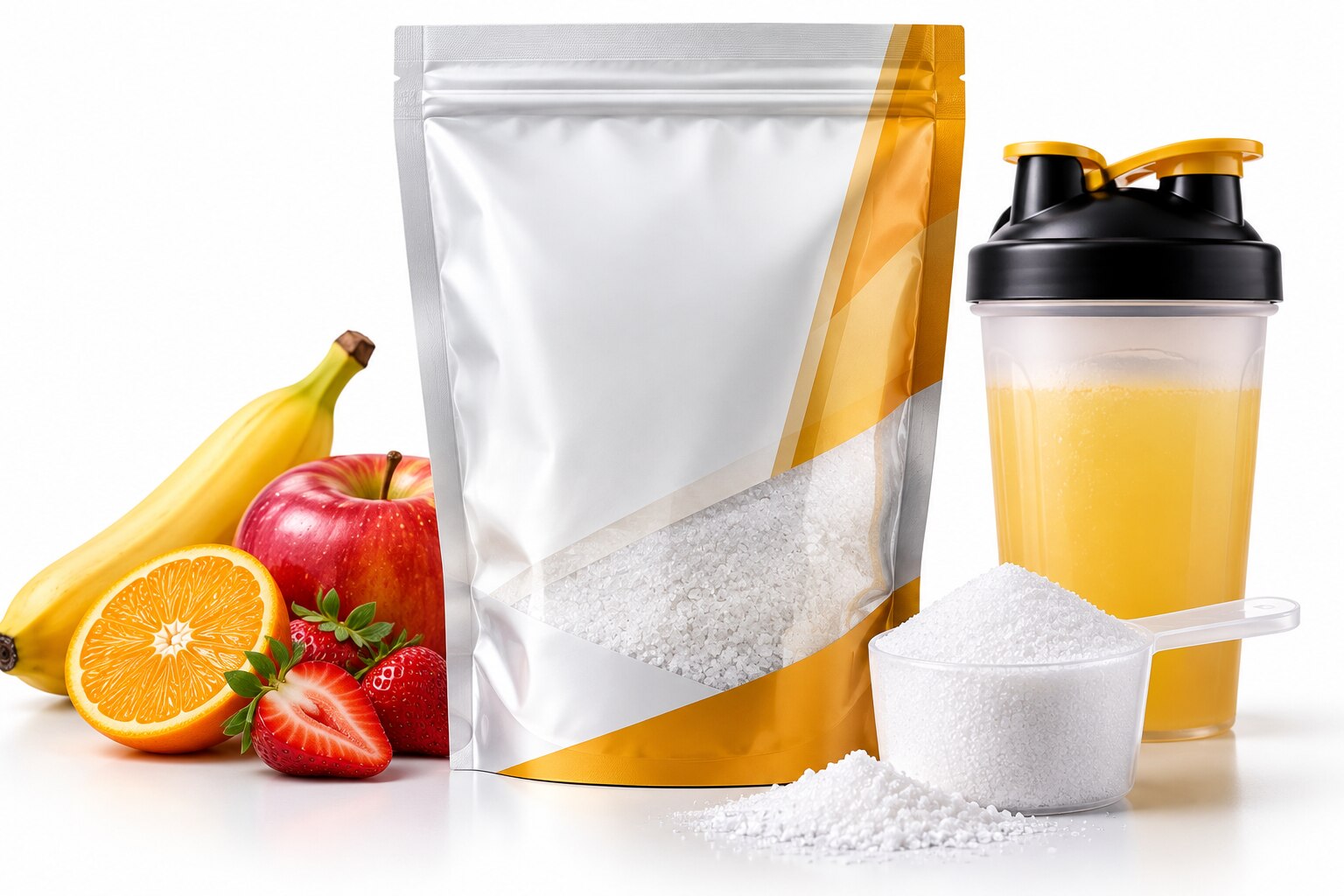
Fructose can help a sports-nutrition formula deliver carbohydrate through a second intestinal transport pathway, but it also changes sweetness, osmolality, labelling, texture, and gastrointestinal risk. By the end, you will be able to calculate a suitable inclusion level, decide whether to pair fructose with glucose-type carbohydrates, test athlete tolerance, and qualify a Delhi supplier.
Key takeaways
- Combine fructose with glucose when targeting a high carbohydrate serving.
- Calculate dose from total carbohydrate and the selected fructose-to-glucose ratio.
- Test escalating servings for gastrointestinal tolerance before finalising the formula.
- Verify food-grade documents, batch traceability, and storage conditions with Delhi suppliers.
What role does fructose play in an intra-workout or recovery formula?
Fructose gives an intra-workout or recovery formula a second intestinal route for carbohydrate absorption. Fructose uses the intestinal GLUT5 transporter, while glucose and dextrose use SGLT1. Combining them is more useful than a fructose-only product when one serving aims to deliver a high carbohydrate load.
That is the central reason to evaluate fructose for sports nutrition products and fructose for nutrition formulations.
- Intra-workout drinks can combine fructose with glucose, dextrose, or maltodextrin for prolonged training.
- Carbohydrate powders can provide a measured mixed-carbohydrate dose for bottles or shaker drinks.
- Gels and chews can use the combination when athletes need portable fuel.
- Recovery beverages can pair both carbohydrates with protein or electrolytes after exercise.
Fructose alone generally produces lower exogenous carbohydrate oxidation than glucose alone during exercise. Controlled studies have reported roughly 1.5–1.8 g/min with glucose-fructose combinations, compared with about 1.0–1.1 g/min for glucose alone. These figures describe physiological maxima, not automatic serving targets or guaranteed performance effects.
A fructose-heavy formula can still cause gastrointestinal symptoms if the dose exceeds an athlete’s tolerance. For short sessions or low-carbohydrate servings, adding fructose may add complexity without a practical benefit.
How do you set the fructose-to-glucose ratio and calculate the dose?
Set the hourly carbohydrate target first, then choose the fructose share. Use about 30–60 g carbohydrate per hour for sessions lasting 1–2.5 hours; beyond 2.5 hours, work toward as much as 90 g per hour through multiple transportable carbohydrates, not fructose alone.
1. Multiply the hourly target by the serving interval. At 60 g per hour with one serving every 30 minutes, each serving supplies 30 g carbohydrate.
2. Set the ratio and calculate fructose: fructose grams = target fructose share × total carbohydrate grams. A 2:1 glucose-type carbohydrate-to-fructose ratio gives fructose one-third of the carbohydrate; a 30 g serving therefore contains 10 g fructose and 20 g glucose, dextrose, or maltodextrin.
3. Convert the result to a dry-blend percentage: blend percentage = fructose grams ÷ total dry blend weight × 100. If that 10 g fructose sits in a 50 g powder blend, fructose represents 20% of the blend.
| Ratio | Fructose share | Practical use |
|---|---|---|
| 2:1 glucose-type carbohydrate:fructose | 33% | Sensible starting point for higher-carbohydrate drinks, gels, or powders |
| 1:1 | 50% | Test only when the athlete tolerates the finished formula |
| Fructose-heavy | More than 50% | Usually a poor starting point because gastrointestinal symptoms become harder to control |
Use the athlete’s tolerance to adjust upward or downward. Fructose for sports nutrition products and fructose for nutrition formulations must be validated in the finished serving: acidity, osmolality, flavour, concentration, exercise intensity, and carbohydrate source alter tolerance, so no ratio is universal.
How does fructose compare with other carbohydrate and sweetener choices?
Fructose for sports nutrition products is a choice between sweetness and transport capacity, not a free-calorie shortcut. Fructose uses GLUT5, while glucose and dextrose use SGLT1; combining transportable carbohydrates can support higher carbohydrate delivery than either alone.
| Option | Sweetness, carbohydrate and energy | Osmolality, texture and tolerance |
|---|---|---|
| Fructose | High sweetness; carbohydrate and about 4 kcal/g | Monosaccharide raises osmolality; can cause bloating or diarrhoea when poorly absorbed |
| Glucose or dextrose | Lower sweetness; carbohydrate and about 4 kcal/g | Monosaccharide; useful for direct carbohydrate delivery, with dose-related gastrointestinal burden |
| Sucrose | Moderate sweetness; glucose-fructose disaccharide, carbohydrate and about 4 kcal/g | Lower particle count than its separated sugars; familiar taste and workable texture |
| Maltodextrin | Low sweetness; carbohydrate and about 4 kcal/g | Lower osmolality per gram and strong bulking or carbohydrate-density advantages |
| High-intensity sweeteners | Very sweet at tiny doses; negligible carbohydrate and energy | Add little bulk or osmolality; texture must come from other ingredients |
Fructose’s sweetness does not make it calorie-free or sugar-free. Count it in total carbohydrate and sugars declarations, including added-sugar design when applicable; glycaemic response depends on dose, food matrix, processing, and the other carbohydrates present.
Use fructose for nutrition formulations when sweetness and a second transport route matter. It is a poor fit for low-carbohydrate formulas, neutral-sweetness products, very high-density systems already constrained by osmolality, or consumers who tolerate fructose poorly. A maltodextrin-led blend suits dense carbohydrate delivery; fructose adds sweetness and transport potential, but also formulation and tolerance risk.
How should you test fructose tolerance before launch?
Test the finished serving, not just the fructose certificate. A drink, gel, chew, or powder can produce different symptoms because concentration, serving volume, exercise intensity, dose, and personal tolerance change how fructose is absorbed.
1. Make pilot batches at the intended fructose-to-glucose ratio and serving size. Include a lower-fructose blend as a control.
2. Run repeated trials with representative users during the planned exercise conditions: easy, moderate, and high-intensity sessions where relevant. Keep food intake, hydration, serving interval, and total carbohydrate intake recorded.
3. Log bloating, cramping, nausea, and diarrhoea during exercise and for several hours afterward. Stop a trial if symptoms are severe, then review the dose and concentration before retesting.
4. Test the actual product for complete dissolution, sedimentation after storage, and re-dispersion after shaking. For gels and chews, assess stickiness, firmness, mouthfeel, and gel texture at the intended storage temperature.
5. Measure osmolality and compare it with sensory results and gastrointestinal notes. Unabsorbed fructose increases intestinal osmotic load, so a fructose-heavy formula is not automatically better than a lower-fructose blend.
6. Complete an FSSAI review for the finished Indian product. Sports drinks, gels, powders, health supplements, and nutraceuticals can fall under different provisions, and food-grade fructose status does not prove compliance for the finished product, including its label, claims, ingredients, and serving directions. This is essential when developing fructose for nutrition formulations.
What should you verify when choosing a fructose bulk ingredient supplier in Delhi?
Qualify the supplier against a written specification, not the search phrase food grade fructose supplier in Delhi. Start by confirming the material identity and its intended delivery format.
| Form | Best fit | Main procurement concern |
|---|---|---|
| Crystalline fructose | Dry blends, powders, some gels | Hygroscopicity, caking, flow, moisture pickup |
| Fructose syrup | Ready-to-drink products and liquid gels | Water content, microbial control, transport, storage |
For crystalline powder, set limits for moisture or loss-on-drying, packaging integrity, storage temperature, relative humidity, pallet protection, and a defined re-test or shelf-life policy. Repeated opening in Delhi warehousing can make hygroscopic fructose cake and slow dosing.
Ask the fructose bulk ingredient supplier for:
- A lot-specific certificate of analysis showing assay, moisture, ash or residue, microbiological limits, heavy metals or elemental contaminants, plus agreed pesticide, solvent, and allergen statements.
- Country of origin, manufacturer, lot traceability, minimum order quantity, customs lead time, and remaining shelf life on arrival.
- Particle-size or flow consistency data and the documented out-of-specification process, including investigation, replacement, and credit terms.
- The storage and transport records needed to preserve the stated specification.
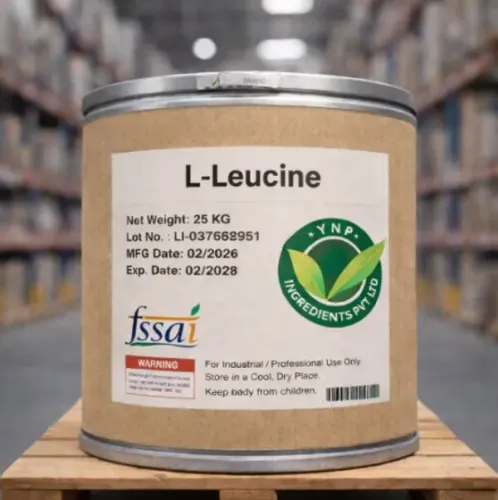
YNP Ingredients Pvt Ltd can serve as a Delhi-based source to evaluate at this stage, provided its documents meet your specification and finished-product risk assessment. A fructose supplier for sports nutrition in Delhi is not qualified by location alone: verify the applicable FSSAI category and labelling for the finished drink, gel, powder, or supplement.
Frequently asked questions
What role does fructose play in an intra-workout or recovery formula?
Fructose uses the intestinal GLUT5 transporter, while glucose and dextrose use SGLT1. Combining both can provide complementary carbohydrate absorption routes for higher carbohydrate servings than fructose alone.
How do you calculate a fructose dose for sports nutrition?
Choose the target carbohydrate per serving, set the fructose-to-glucose ratio, then multiply total carbohydrate by the fructose percentage. For example, a 60 g serving at a 1:2 fructose-to-glucose ratio contains 20 g fructose and 40 g glucose.
How should you test fructose tolerance before launching a product?
Test the planned serving with representative users, starting below the full dose and increasing gradually. Record gastrointestinal symptoms, serving timing, exercise intensity, fluid volume, and total carbohydrate intake.
What should you verify from a fructose bulk ingredient supplier in Delhi?
Request the specification sheet, certificate of analysis, batch number, manufacturing and expiry dates, allergen statement, food-grade documentation, packaging details, and storage instructions before approval.
Keywords