
Whey Protein Concentrate Importer In Delhi
Whey Protein Concentrate (WPC)
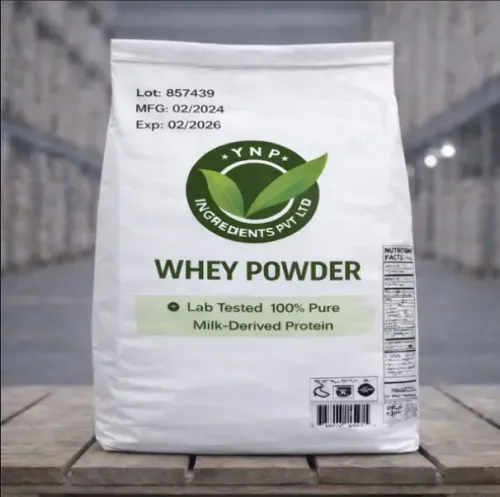
Whey Protein Concentrate (WPC) is a popular protein supplement derived from milk during the cheese-making process. It's a highly bioavailable protein that contains a mix of proteins, fats, and carbohydrates, offering a range of essential amino acids. Here’s a detailed breakdown of whey protein concentrate:
Production Process
Milk Separation: Whey protein is separated from milk during the cheese-making process. The liquid whey is extracted from the curd (solid portion used for cheese).
Filtration: The liquid whey undergoes a filtration process, often using ultrafiltration or microfiltration, to concentrate the protein and remove much of the fat and lactose.
Drying: The resulting whey concentrate is then dried into powder form, which can be used in protein supplements and food products.
Nutritional Composition
Whey Protein Concentrate typically contains around 70–80% protein by weight, with the remaining portion consisting of fats, carbohydrates, and minerals. The exact composition can vary depending on the brand and processing methods. A typical 100-gram serving of WPC might contain:
Protein: 70–80 grams
Carbohydrates: 10–15 grams (including lactose)
Fat: 5–8 grams
Calories: 350–400 kcal
Whey protein concentrate also contains various bioactive compounds like lactoferrin, immunoglobulins, and growth factors, which may contribute to its health benefits.
Types of Whey Protein
Whey Protein Concentrate (WPC): Contains 70–80% protein, with higher levels of fat and carbohydrates, including lactose. This makes it a more cost-effective option.
Whey Protein Isolate (WPI): Contains 90% or more protein and has lower fat and carbohydrates than WPC, making it suitable for those who want a purer protein source.
Whey Protein Hydrolysate (WPH): Pre-digested form of whey protein that has been partially hydrolyzed for easier absorption.
Health Benefits of Whey Protein Concentrate
Muscle Growth and Repair:
Whey protein is rich in essential amino acids, particularly leucine, which stimulates muscle protein synthesis. This makes WPC effective for muscle repair and growth, especially post-exercise.
Improved Recovery:
Whey protein helps reduce muscle soreness and supports recovery after intense workouts by promoting protein synthesis and reducing muscle breakdown.
Weight Management:
Protein can increase feelings of fullness, which may reduce overall calorie intake and aid in weight loss or fat management. WPC can be part of a balanced diet to support fat loss and muscle maintenance.
Immune System Support:
Whey protein contains immunoglobulins and lactoferrin, which can enhance immune function by supporting the body’s defense systems.
Rich Source of Essential Amino Acids:
WPC is a complete protein, meaning it contains all nine essential amino acids required by the body for various physiological functions, including tissue repair and enzyme production.
Antioxidant Properties:
Whey protein has a high level of cysteine, a precursor to glutathione, which is one of the body’s most powerful antioxidants. This can help in reducing oxidative stress.
Potential Drawbacks
Lactose Content:
Whey Protein Concentrate contains some lactose, which may cause digestive issues like bloating, gas, or diarrhea for people with lactose intolerance. Those who are lactose-sensitive might consider whey protein isolate, which has less lactose.
Caloric and Fat Content:
Compared to whey protein isolate, WPC contains more fat and carbohydrates. While this might not be a concern for most people, it could be a factor for those looking to minimize caloric intake or follow a low-fat diet.
Allergies:
Since WPC is derived from milk, it may not be suitable for individuals with dairy allergies. Those allergic to dairy should avoid whey protein and opt for plant-based protein sources like pea, rice, or hemp protein.
Usage and Dosage
General Dosage: A typical serving of whey protein concentrate is around 20–30 grams (1 scoop). The exact dosage depends on individual protein needs, which vary based on activity levels, body weight, and fitness goals.
Timing: Whey protein is commonly consumed post-workout to help with muscle recovery. It can also be taken throughout the day as a snack or meal replacement to meet protein requirements.
How to Consume: Whey protein concentrate is typically mixed with water, milk, or a plant-based beverage. It can also be added to smoothies, shakes, or baked goods.
Whey Protein Concentrate vs. Whey Protein Isolate
Protein Content: WPC contains 70–80% protein, while WPI contains 90% or more.
Carbs and Fat: WPC contains higher levels of fats and carbohydrates, including lactose, whereas WPI has less fat and carbs.
Cost: WPC is generally more affordable compared to WPI due to the difference in protein purity.
Conclusion
Whey Protein Concentrate is an excellent, affordable protein source for most people, offering a range of benefits for muscle growth, recovery, and overall health. However, individuals who are lactose intolerant, have dairy allergies, or require a more pure protein source may prefer whey protein isolate. It is important to choose the right form of protein supplement based on individual dietary needs and goals.
Whey Protein Concentrate (WPC)
Whey Protein Concentrate (WPC) is a popular protein supplement derived from milk during the cheese-making process. It's a highly bioavailable protein that contains a mix of proteins, fats, and carbohydrates, offering a range of essential amino acids. Here’s a detailed breakdown of whey protein concentrate:
Production Process
Milk Separation: Whey protein is separated from milk during the cheese-making process. The liquid whey is extracted from the curd (solid portion used for cheese).
Filtration: The liquid whey undergoes a filtration process, often using ultrafiltration or microfiltration, to concentrate the protein and remove much of the fat and lactose.
Drying: The resulting whey concentrate is then dried into powder form, which can be used in protein supplements and food products.
Nutritional Composition
Whey Protein Concentrate typically contains around 70–80% protein by weight, with the remaining portion consisting of fats, carbohydrates, and minerals. The exact composition can vary depending on the brand and processing methods. A typical 100-gram serving of WPC might contain:
Protein: 70–80 grams
Carbohydrates: 10–15 grams (including lactose)
Fat: 5–8 grams
Calories: 350–400 kcal
Whey protein concentrate also contains various bioactive compounds like lactoferrin, immunoglobulins, and growth factors, which may contribute to its health benefits.
Types of Whey Protein
Whey Protein Concentrate (WPC): Contains 70–80% protein, with higher levels of fat and carbohydrates, including lactose. This makes it a more cost-effective option.
Whey Protein Isolate (WPI): Contains 90% or more protein and has lower fat and carbohydrates than WPC, making it suitable for those who want a purer protein source.
Whey Protein Hydrolysate (WPH): Pre-digested form of whey protein that has been partially hydrolyzed for easier absorption.
Health Benefits of Whey Protein Concentrate
Muscle Growth and Repair:
Whey protein is rich in essential amino acids, particularly leucine, which stimulates muscle protein synthesis. This makes WPC effective for muscle repair and growth, especially post-exercise.
Improved Recovery:
Whey protein helps reduce muscle soreness and supports recovery after intense workouts by promoting protein synthesis and reducing muscle breakdown.
Weight Management:
Protein can increase feelings of fullness, which may reduce overall calorie intake and aid in weight loss or fat management. WPC can be part of a balanced diet to support fat loss and muscle maintenance.
Immune System Support:
Whey protein contains immunoglobulins and lactoferrin, which can enhance immune function by supporting the body’s defense systems.
Rich Source of Essential Amino Acids:
WPC is a complete protein, meaning it contains all nine essential amino acids required by the body for various physiological functions, including tissue repair and enzyme production.
Antioxidant Properties:
Whey protein has a high level of cysteine, a precursor to glutathione, which is one of the body’s most powerful antioxidants. This can help in reducing oxidative stress.
Potential Drawbacks
Lactose Content:
Whey Protein Concentrate contains some lactose, which may cause digestive issues like bloating, gas, or diarrhea for people with lactose intolerance. Those who are lactose-sensitive might consider whey protein isolate, which has less lactose.
Caloric and Fat Content:
Compared to whey protein isolate, WPC contains more fat and carbohydrates. While this might not be a concern for most people, it could be a factor for those looking to minimize caloric intake or follow a low-fat diet.
Allergies:
Since WPC is derived from milk, it may not be suitable for individuals with dairy allergies. Those allergic to dairy should avoid whey protein and opt for plant-based protein sources like pea, rice, or hemp protein.
Usage and Dosage
General Dosage: A typical serving of whey protein concentrate is around 20–30 grams (1 scoop). The exact dosage depends on individual protein needs, which vary based on activity levels, body weight, and fitness goals.
Timing: Whey protein is commonly consumed post-workout to help with muscle recovery. It can also be taken throughout the day as a snack or meal replacement to meet protein requirements.
How to Consume: Whey protein concentrate is typically mixed with water, milk, or a plant-based beverage. It can also be added to smoothies, shakes, or baked goods.
Whey Protein Concentrate vs. Whey Protein Isolate
Protein Content: WPC contains 70–80% protein, while WPI contains 90% or more.
Carbs and Fat: WPC contains higher levels of fats and carbohydrates, including lactose, whereas WPI has less fat and carbs.
Cost: WPC is generally more affordable compared to WPI due to the difference in protein purity.
Conclusion
Whey Protein Concentrate is an excellent, affordable protein source for most people, offering a range of benefits for muscle growth, recovery, and overall health. However, individuals who are lactose intolerant, have dairy allergies, or require a more pure protein source may prefer whey protein isolate. It is important to choose the right form of protein supplement based on individual dietary needs and goals.
Keywords