Importers of Amino Acids in Delhi
1. Essential Amino Acids
These amino acids cannot be synthesized by the body and must be obtained through diet. There are 9 essential amino acids:
Histidine
Plays a role in the growth and repair of tissues, red blood cell production, and maintaining the myelin sheath around nerves.
Isoleucine
Important for muscle repair, immune function, and regulation of blood sugar levels.
Leucine
Promotes muscle protein synthesis, regulates blood sugar levels, and supports the healing process after exercise or injury.
Lysine
Essential for protein synthesis, immune function, and the production of collagen and enzymes.
Methionine
Contains sulfur and is important for the metabolism of fats and the detoxification of harmful substances in the body.
Phenylalanine
Converted into tyrosine, which is necessary for the production of neurotransmitters like dopamine, norepinephrine, and epinephrine.
Threonine
Plays a key role in the formation of collagen, elastin, and enamel proteins.
Tryptophan
Precursor to serotonin, which affects mood, appetite, and sleep patterns.
Valine
Helps with muscle repair, growth, and energy production.
2. Non-Essential Amino Acids
These amino acids can be synthesized by the body, so they do not need to be obtained directly from the diet. There are 11 non-essential amino acids:
Alanine
Involved in energy production and the metabolism of glucose.
Asparagine
Plays a key role in the synthesis of proteins and serves as a precursor to other amino acids.
Aspartic Acid
Involved in the synthesis of other amino acids and important for metabolism.
Glutamine
Supports immune function, intestinal health, and muscle recovery. It's a key energy source for cells in the gut.
Glutamic Acid
Important for the synthesis of proteins and neurotransmission.
Glycine
Helps in the formation of collagen, supports the central nervous system, and plays a role in the production of certain enzymes and hormones.
Proline
Vital for collagen production and wound healing.
Serine
Involved in the synthesis of proteins, neurotransmitters, and lipids.
Tyrosine
Precursor to important neurotransmitters like dopamine, norepinephrine, and epinephrine.
Cysteine
Contains sulfur and supports the formation of proteins, as well as detoxification.
Arginine
Important for immune function, wound healing, and the production of nitric oxide, which helps relax and dilate blood vessels.
3. Conditional Amino Acids
These amino acids are generally not essential, except in certain situations such as illness or stress. Examples include:
Arginine
While classified as non-essential, it becomes essential during periods of growth, stress, or illness.
Cysteine
Becomes essential during periods of oxidative stress or illness.
Glutamine
Often required in larger amounts during illness, trauma, or physical stress.
Tyrosine
Becomes essential when there is a deficiency in phenylalanine (a precursor to tyrosine).
Roles of Amino Acids in Health
Protein Synthesis: Amino acids are the core components of proteins, which are essential for muscle growth, enzyme production, and cell repair.
Metabolism: Amino acids participate in various metabolic pathways, including energy production and the synthesis of molecules like hormones and neurotransmitters.
Immune Function: Amino acids like glutamine and arginine support immune health by helping the body produce white blood cells and fight infection.
Neurotransmitter Production: Some amino acids (such as tryptophan, tyrosine, and phenylalanine) are precursors to neurotransmitters that regulate mood, stress, and sleep patterns.
Muscle Recovery: Amino acids like leucine, valine, and isoleucine (branched-chain amino acids or BCAAs) are particularly beneficial for muscle repair and recovery after exercise.
Supplementation of Amino Acids
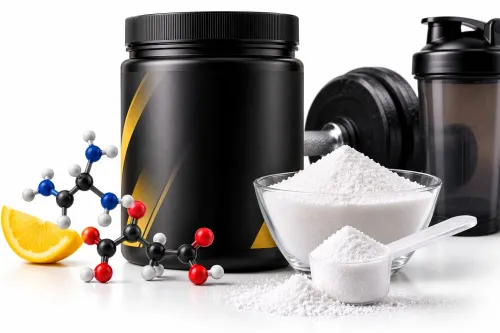
Amino acid supplements, including BCAAs (branched-chain amino acids), glutamine, and others, are often used by athletes to enhance performance, improve recovery, and reduce muscle soreness. However, it's important to get a balanced intake through whole foods like meat, fish, eggs, legumes, and dairy, or plant-based sources like quinoa, soy, and lentils.
1. Essential Amino Acids
These amino acids cannot be synthesized by the body and must be obtained through diet. There are 9 essential amino acids:
Histidine
Plays a role in the growth and repair of tissues, red blood cell production, and maintaining the myelin sheath around nerves.
Isoleucine
Important for muscle repair, immune function, and regulation of blood sugar levels.
Leucine
Promotes muscle protein synthesis, regulates blood sugar levels, and supports the healing process after exercise or injury.
Lysine
Essential for protein synthesis, immune function, and the production of collagen and enzymes.
Methionine
Contains sulfur and is important for the metabolism of fats and the detoxification of harmful substances in the body.
Phenylalanine
Converted into tyrosine, which is necessary for the production of neurotransmitters like dopamine, norepinephrine, and epinephrine.
Threonine
Plays a key role in the formation of collagen, elastin, and enamel proteins.
Tryptophan
Precursor to serotonin, which affects mood, appetite, and sleep patterns.
Valine
Helps with muscle repair, growth, and energy production.
2. Non-Essential Amino Acids
These amino acids can be synthesized by the body, so they do not need to be obtained directly from the diet. There are 11 non-essential amino acids:
Alanine
Involved in energy production and the metabolism of glucose.
Asparagine
Plays a key role in the synthesis of proteins and serves as a precursor to other amino acids.
Aspartic Acid
Involved in the synthesis of other amino acids and important for metabolism.
Glutamine
Supports immune function, intestinal health, and muscle recovery. It's a key energy source for cells in the gut.
Glutamic Acid
Important for the synthesis of proteins and neurotransmission.
Glycine
Helps in the formation of collagen, supports the central nervous system, and plays a role in the production of certain enzymes and hormones.
Proline
Vital for collagen production and wound healing.
Serine
Involved in the synthesis of proteins, neurotransmitters, and lipids.
Tyrosine
Precursor to important neurotransmitters like dopamine, norepinephrine, and epinephrine.
Cysteine
Contains sulfur and supports the formation of proteins, as well as detoxification.
Arginine
Important for immune function, wound healing, and the production of nitric oxide, which helps relax and dilate blood vessels.
3. Conditional Amino Acids
These amino acids are generally not essential, except in certain situations such as illness or stress. Examples include:
Arginine
While classified as non-essential, it becomes essential during periods of growth, stress, or illness.
Cysteine
Becomes essential during periods of oxidative stress or illness.
Glutamine
Often required in larger amounts during illness, trauma, or physical stress.
Tyrosine
Becomes essential when there is a deficiency in phenylalanine (a precursor to tyrosine).
Roles of Amino Acids in Health
Protein Synthesis: Amino acids are the core components of proteins, which are essential for muscle growth, enzyme production, and cell repair.
Metabolism: Amino acids participate in various metabolic pathways, including energy production and the synthesis of molecules like hormones and neurotransmitters.
Immune Function: Amino acids like glutamine and arginine support immune health by helping the body produce white blood cells and fight infection.
Neurotransmitter Production: Some amino acids (such as tryptophan, tyrosine, and phenylalanine) are precursors to neurotransmitters that regulate mood, stress, and sleep patterns.
Muscle Recovery: Amino acids like leucine, valine, and isoleucine (branched-chain amino acids or BCAAs) are particularly beneficial for muscle repair and recovery after exercise.
Supplementation of Amino Acids
Amino acid supplements, including BCAAs (branched-chain amino acids), glutamine, and others, are often used by athletes to enhance performance, improve recovery, and reduce muscle soreness. However, it's important to get a balanced intake through whole foods like meat, fish, eggs, legumes, and dairy, or plant-based sources like quinoa, soy, and lentils.
Keywords